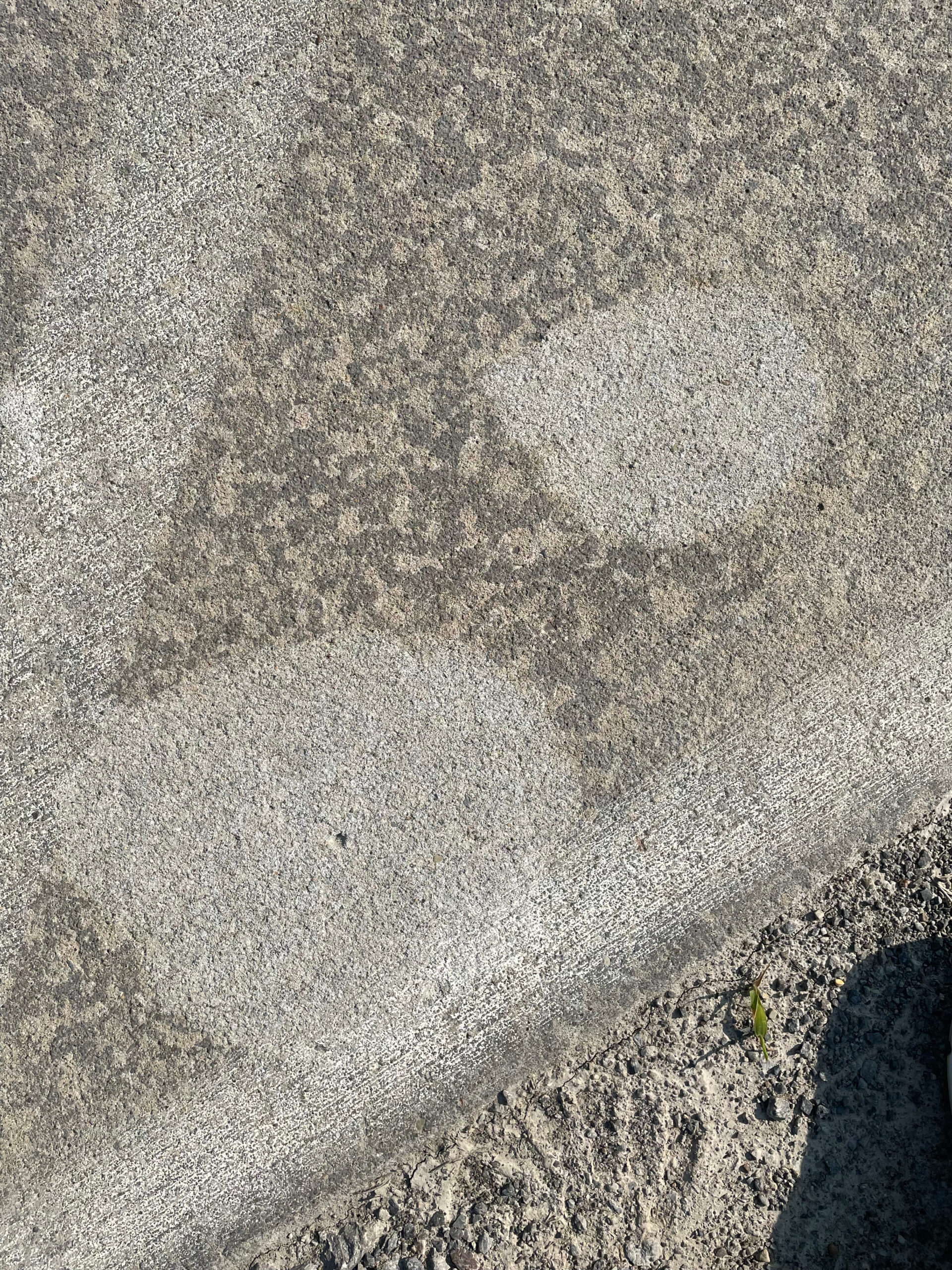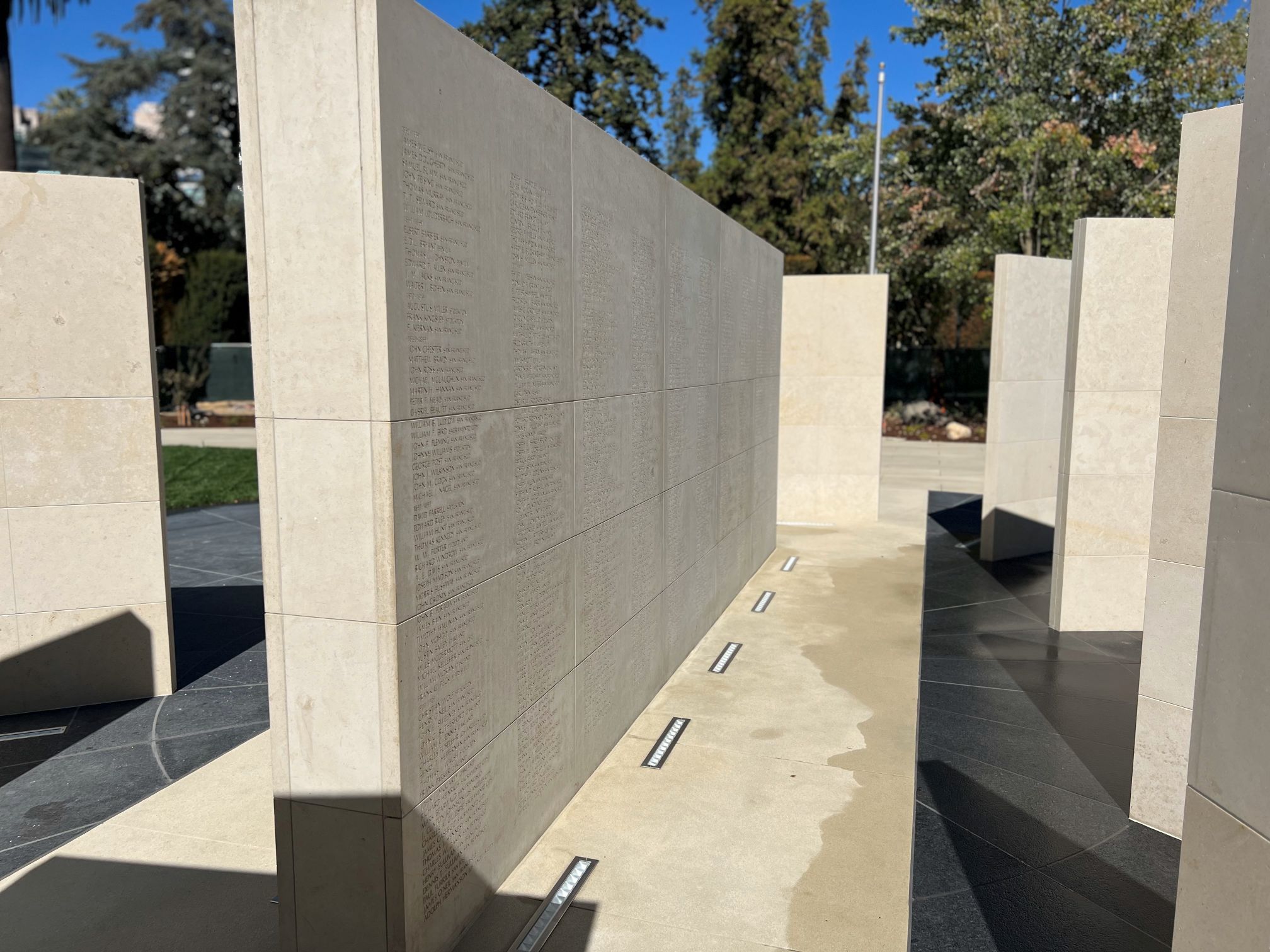
Cleaning challenges that involve difficult and deep deposit and / or stain removal in porous materials require a cleaning product that works better than a bleach solution.
Bleach (also known as sodium hypochlorite or pool chlorine) is widely used by contractors as a general-purpose cleaner. It is purchased by contractors at a 12.5% concentration. Bleach is a successful topical disinfectant for non-porous substrates. But when a porous substrate is the surface, bleach does not provide a long-lasting deep pore clean. If bleach is used on a porous surface, the downside is twofold:
- Since bleach / sodium hypochlorite is not a deep pore cleaner, the stain within the pores has the ability to rise as the water moves to the surface, potentially causing the reappearance of the stain on the surface.
- Depending on the surface, bleach can corrode, oxidize, dull color, and / or etch surrounding surfaces. It can also damage plants if allowed to come into contact with the bleach solution.
Definition of Bleach: a corrosive oxidizing disinfectant and bleaching or whitening agent.
Bleach vs Cleansol BC
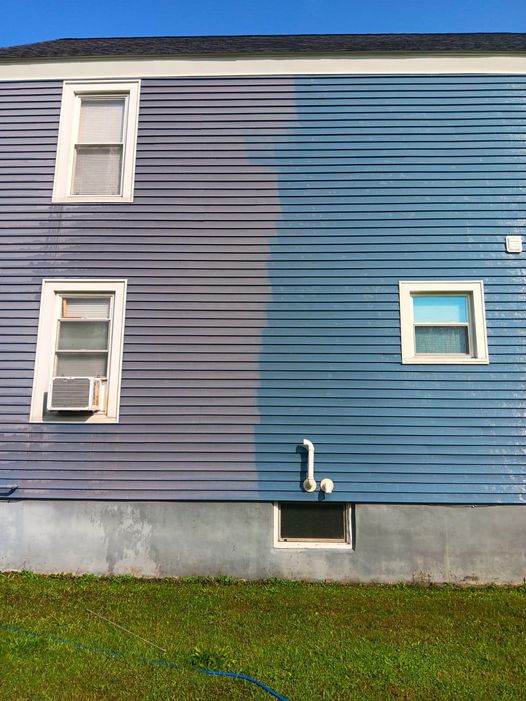
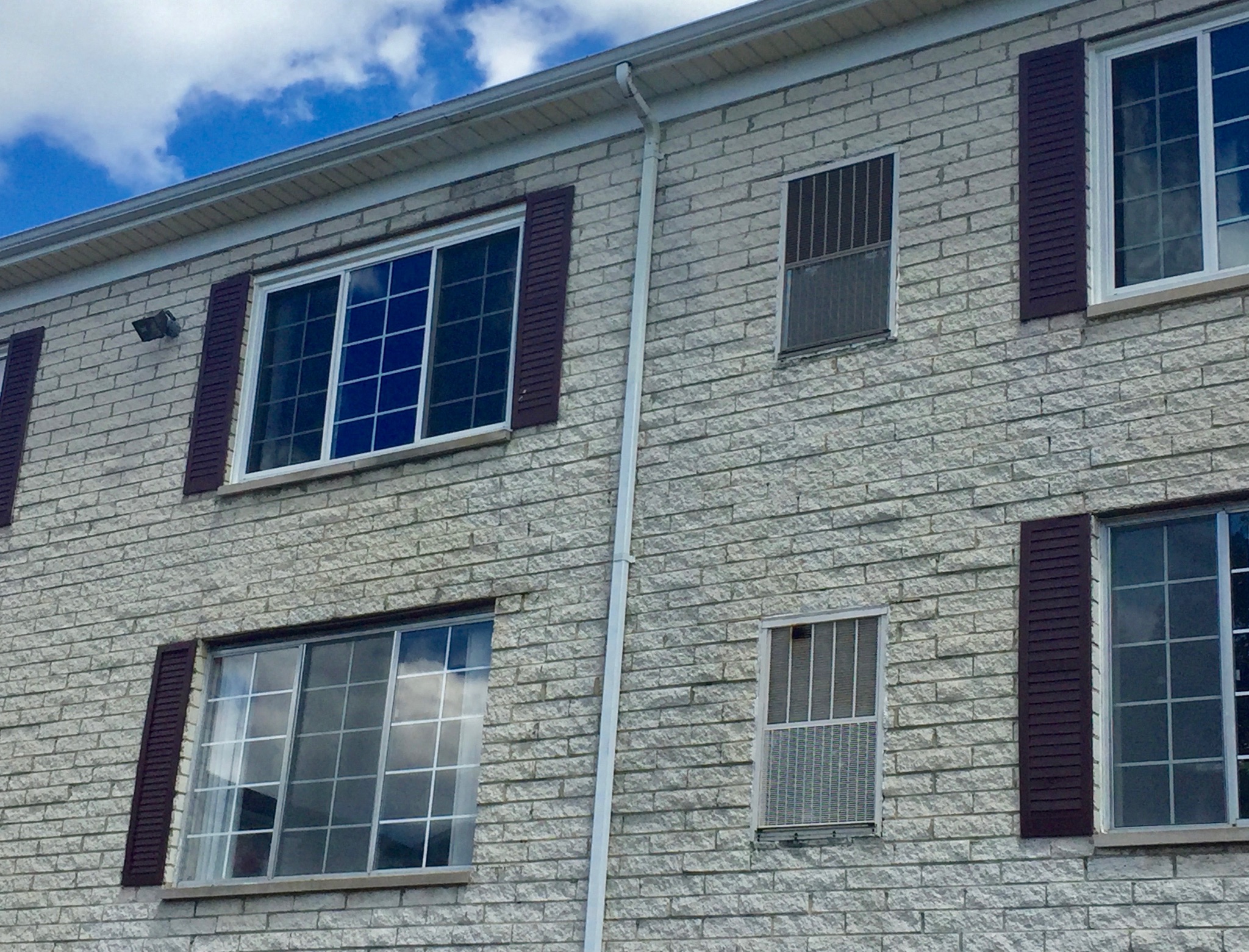
This house, which had oxidized over time, was left with dull-colored siding. High-pressure washing was then tried, but it just made it worse by adding wand marks. Cleansol BC was finally applied, diluted 50:1. Using just two quick applications with a wide-angle nozzle followed by a rinse with water, the color was back and chalkiness gone!

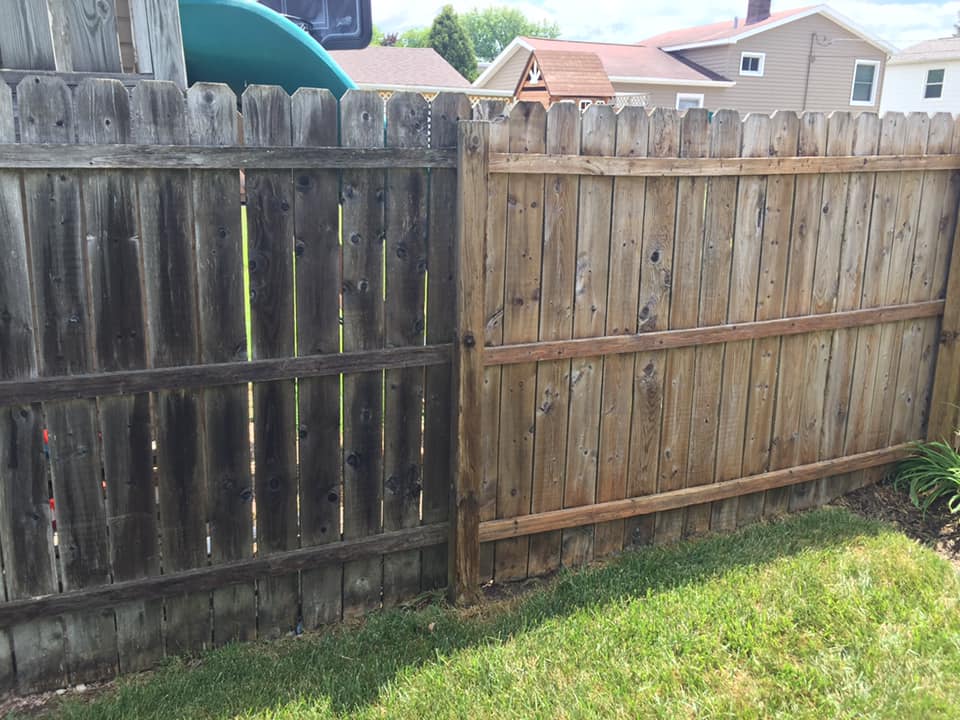
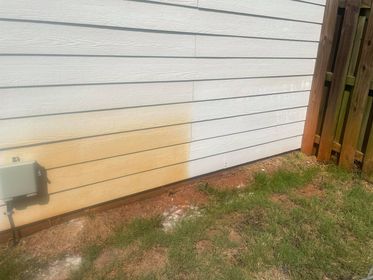
Before-and-after images of oxidation that was removed using Cleansol BC.
Photos courtesy Schrimsher Power Wash in Owens Crossroads, Alabama.
Disadvantages of cleaning with bleach
- Bleach is a topical disinfectant, not a deep pore cleaner.
- Can leave a chalk-like film or oxidation on painted surfaces.
- Does not provide a long-term residual clean.
- Can etch or leave deposits on glass.
- Must be stored in temperatures not to exceed 110 degrees Fahrenheit.
- Has a shelf life.
- Homeowners complain about the odor.


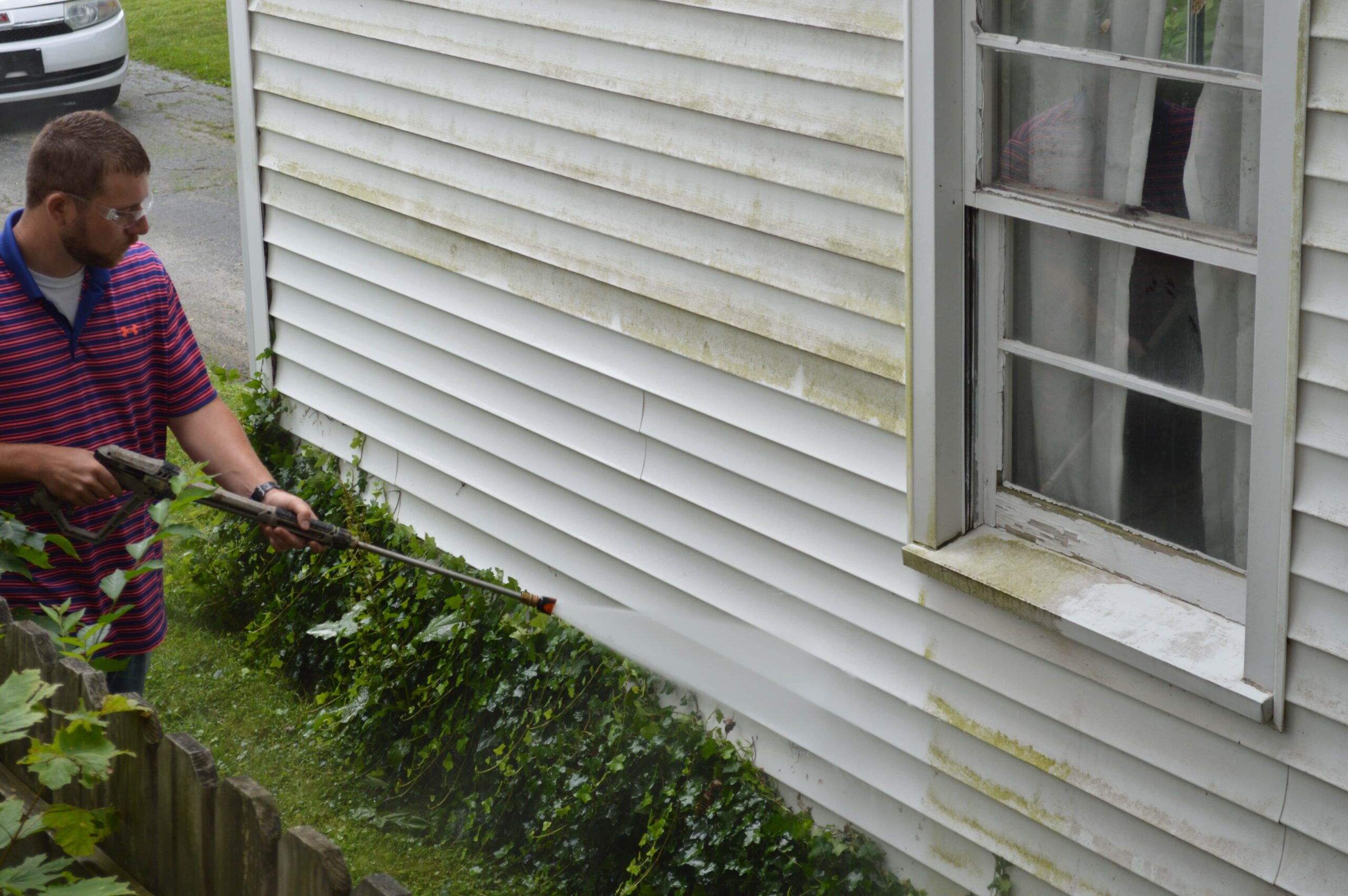
First image: Cleansol BC being applied using a 10:1 dilution. Second image: Cleansol BC being rinsed with appropriate manufacturer-advised pressure.
Why you should use Cleansol BC instead
- Provides a residual deep pore clean.
- Will not damage the surface.
- Can reverse oxidization and reveal the original look of the surface while leaving a shine.
- Cleansol BC is a concentrated product. Dilution rates depend on the surface and severity of the staining.
- All of EaCo Chem’s products are designed to be brushless.
- EaCo Chem’s proprietary products are biodegradable.
- EaCo Chem products will not kill a root system if used as directed.
If you would like to learn more about Cleansol BC, you can visit its official product page. You can also click to view the Cleansol BC product data sheet.
Not sure what EaCo Chem product to use on a tough job? Learn what cleaners to use with our Encyclopedia of Clean!
Then use our Distributor Locator to find an EaCo Chem distributor near you!